Part One of the course was broken into thirds.
The first was all about the different styles of 17th century embroidered caskets and the motifs used.
The second was actually to embroider small items to learn about the authentic techniques, materials and colours.
The third part was all about the finishing of caskets, their linings, edgings and covering with embroidery.
So it was not until month 6 that we started to stitch.

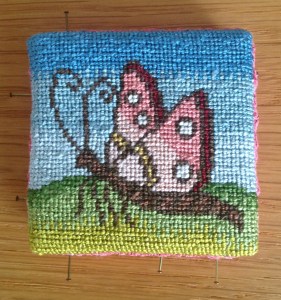
A pinkeep was made using a simple butterfly motif in tent stitch. It was my first experience of silk thread.
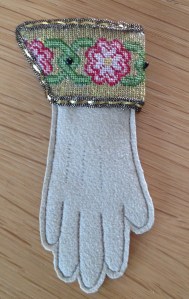
The second project was a small scissor case in the shape of a glove. This introduced a metal thread background stitch.
Next we embroidered a pin cushion using linen waste canvas over Duchesse silk satin fabric. A combination of tent and queen stitch were used for the motifs.
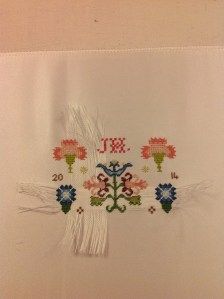

The project for 8th month was another scissor case but using velvet stitch


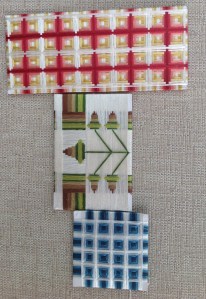
By the tenth month we were starting our final project for Part 1 of the course, a trinket box.
This would teach us more embroidery techniques using many new threads and stitches.



Part Two of the course is all about Stumpwork caskets and techniques.
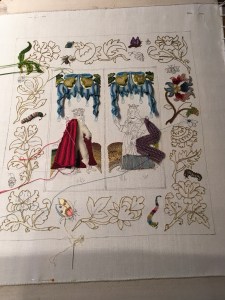
A mirror design with frame and two central doors, behind which is the mirror, is used as a learning tool for the various techniques used in the 17th century. A stumpwork king and a queen are on the doors and the frame is decorated with flowers and many bugs.
This is my progress so far
 Embroidered Past